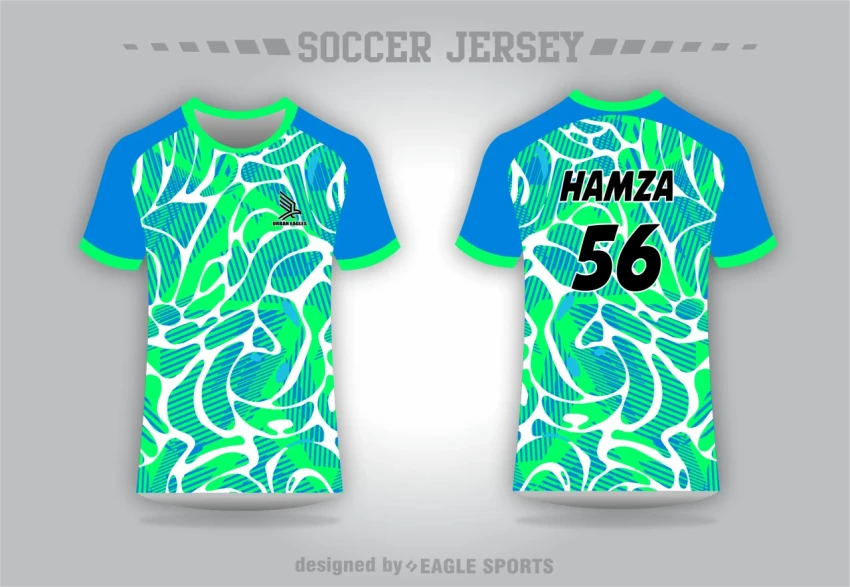
How to Design Custom Sportswear Kits
Designing custom sportswear kits is more than simply adding a logo and choosing a few colors. A successful sportswear design creates a strong visual identity, looks professional in real use, and works perfectly for printing or sublimation.
Whether you are designing for a football team, gym brand, school, or sports club, the process should always begin with a clear plan. In this guide, you will learn how to create custom sportswear kits step by step, along with practical tips that help your designs look cleaner, stronger, and more professional.
Understanding the Basics of Sportswear Design
Before you begin, it is important to understand the key elements that make a sportswear design successful:
- A clean and balanced layout
- Consistent colors and branding
- Clear typography for names and numbers
- A print-friendly design that works on real fabric
- Consistency across the jersey, shorts, and other items
The best sportswear kits are simple, recognizable, and easy to reproduce. A crowded design with too many effects often looks less professional than a clean, well-organized layout.
Tools You Need for Sportswear Design
The right software and design assets can make a huge difference in the quality of your work.
Design Software
Most professional sportswear designers use:
- Adobe Illustrator for scalable vector graphics
- CorelDRAW for sublimation and print production
- Canva for simple concepts and beginner-friendly editing
Essential Design Assets
To create a complete sportswear kit, you will also need:
- Vector templates
- Fonts and icons
- Team logos
- Sportswear mockups
For the best results, start with an editable sportswear template that already includes the correct front, back, and sleeve layout.
Step-by-Step Process to Design Sportswear Kits
Step 1 – Choose the Right Template
The first step is choosing the correct template for the type of sportswear you want to design. Football jerseys, cricket shirts, training kits, and tracksuits all require slightly different layouts.
A good template helps you:
- Maintain proper proportions
- Position graphics accurately
- Save time during the design process
- Prepare files more easily for printing
Using a professional template from the beginning also reduces mistakes later in the project.
Step 2 – Select Colors and Branding
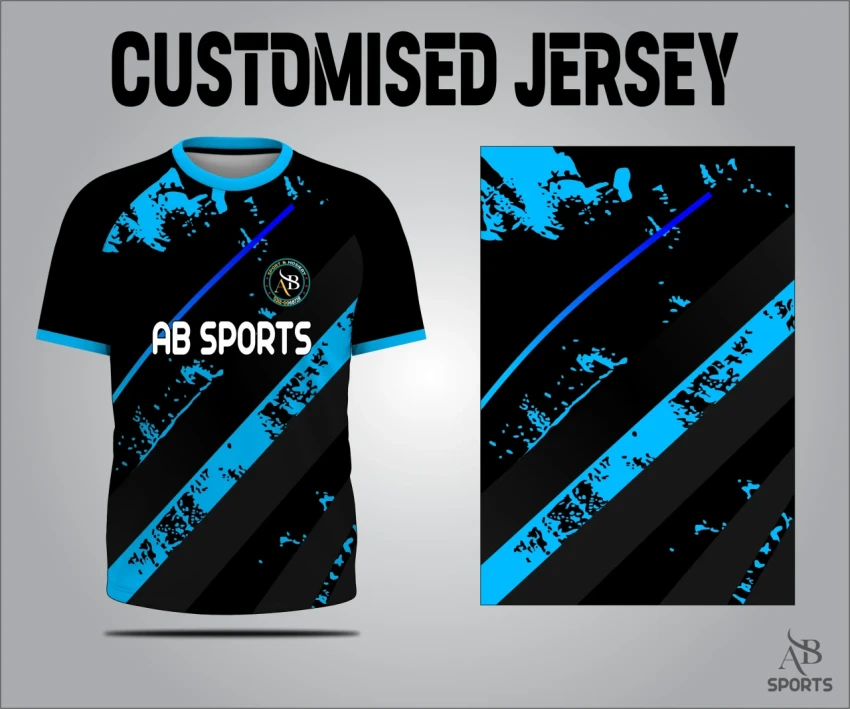
Color selection plays a major role in sportswear design. The colors should reflect the team or brand while still looking balanced and easy to recognize.
To create a cleaner and more professional result:
- Use two or three main colors
- Maintain strong contrast between text and background
- Avoid using too many shades in one design
- Keep the same color style throughout the entire kit
If you need inspiration, review this football kit color inspiration to see how a simple color palette can create a stronger team identity.
Step 3 – Add Typography and Logos
Typography is often overlooked, but it has a huge impact on the final design. Names, numbers, and logos should always be easy to read from a distance.
Follow these guidelines:
- Place the main logo on the chest area
- Use bold, readable fonts
- Keep enough spacing between numbers and text
- Avoid decorative fonts that are difficult to read
Your design should remain clear even when printed on fabric or viewed from far away.
Step 4 – Add Design Elements Carefully
Once the basic layout is complete, you can improve the design with additional elements such as:
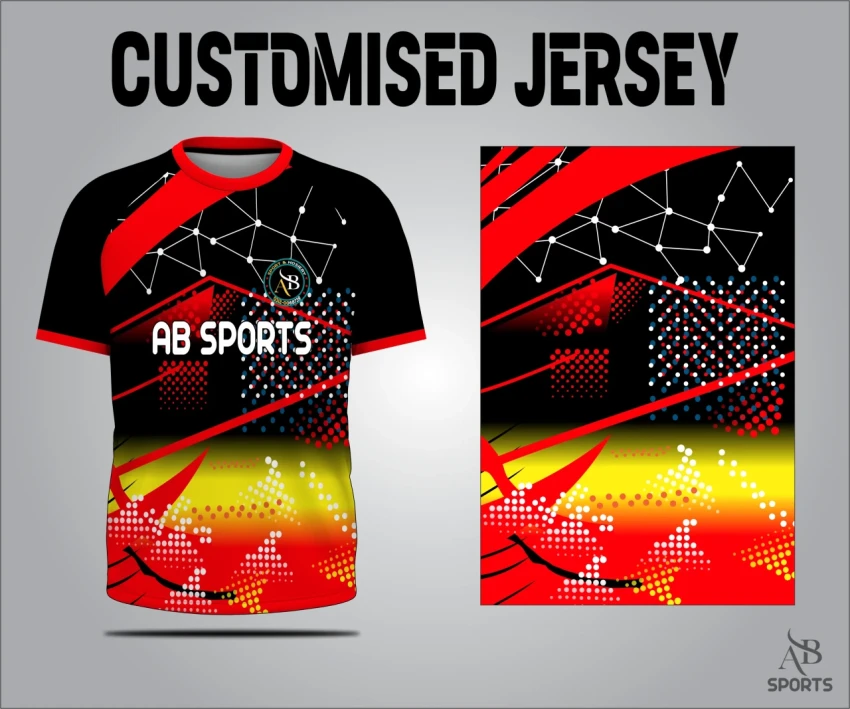
- Geometric patterns
- Gradients
- Textures
- Subtle shapes or lines
The key is to keep these details balanced. Too many effects can make the design feel cluttered.
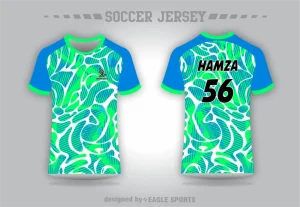
For example, a subtle abstract jersey texture design can add depth and energy without making the kit look too busy.
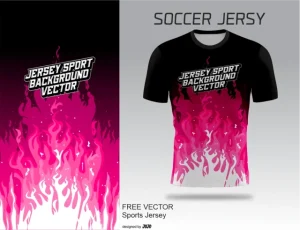
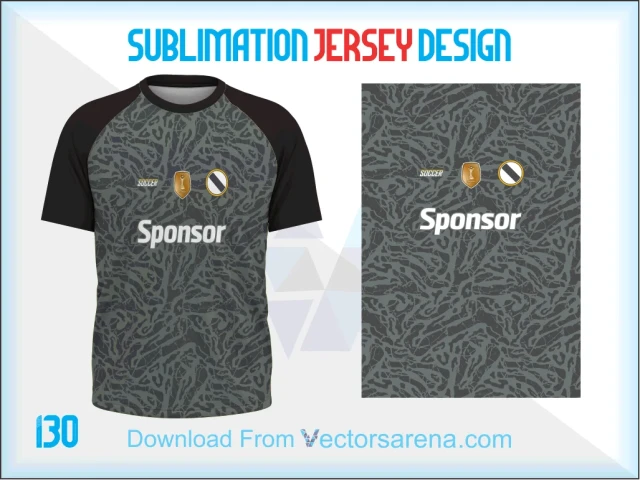
If you are creating sportswear for sublimation printing, it is also useful to study how a sublimation sportswear design is built before preparing the final print file.
Step 5 – Create a Mockup Preview
Before finalizing the design, create a realistic mockup. This gives you a clear idea of how the finished sportswear kit will look in real life.
A mockup helps you:
- Test the overall color balance
- Check logo and number placement
- Identify design issues before printing
- Present the design professionally to a client or team
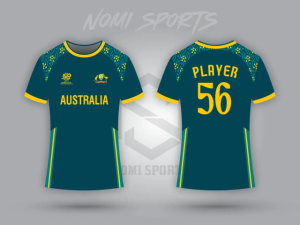
You can also use a realistic sports kit mockup example to show the final design from different angles.
Professional Tips for Better Sportswear Designs
The difference between an average design and a professional one usually comes down to small details. Keep these tips in mind:
- Keep the design clean and easy to understand
- Focus on readability more than decoration
- Use vector graphics instead of low-quality images
- Test the design on both dark and light backgrounds
- Leave enough empty space around important elements
- Always preview the full kit before exporting the final file
A simple and balanced sportswear kit often looks more premium than one with too many colors, textures, or effects.
Common Mistakes to Avoid
Many beginners make the same design mistakes repeatedly. Avoid these if you want your sportswear to look more professional:
- Using too many colors in one design
- Choosing fonts that are difficult to read
- Adding too many textures or graphic elements
- Ignoring the limitations of printing or sublimation
- Using low-resolution images instead of vector graphics
Correcting these issues can instantly improve the overall quality of your design.
Where to Use Custom Sportswear Kits
Custom sportswear designs can be used for:
- Football and cricket teams
- Gym and fitness brands
- School and college uniforms
- Corporate sports events
- Running clubs and esports teams
Because sportswear kits are highly versatile, they can work for both professional organizations and smaller local teams.
Why Custom Sportswear Design Matters
A well-designed sports kit does much more than improve appearance. It also helps create a stronger connection between the team, brand, and audience.
A professional sportswear design can:
- Build team identity
- Improve brand recognition
- Increase player confidence
- Create a more professional image
- Make a team easier to remember
Final Thoughts
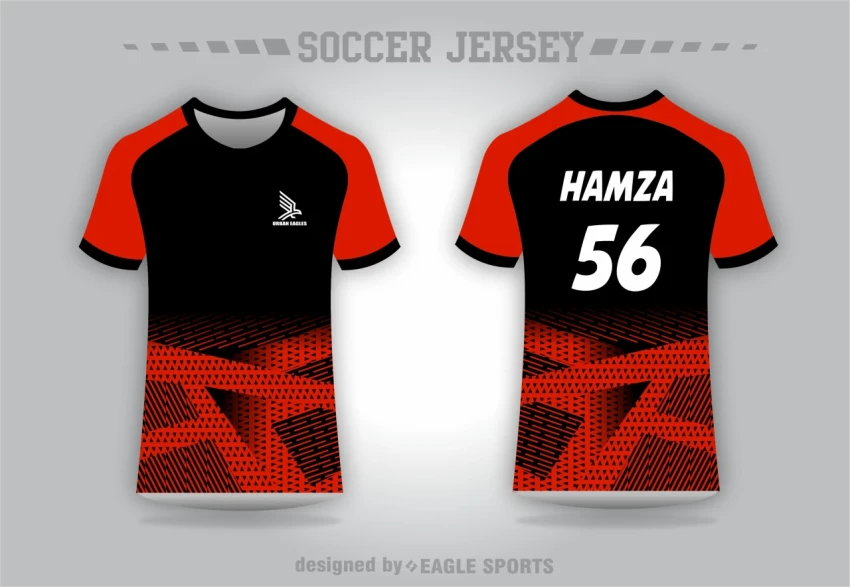
Designing custom sportswear kits requires a balance of creativity, structure, and practicality. By choosing the right template, keeping the layout clean, and using colors and typography effectively, you can create sportswear that looks modern, professional, and ready for production.
If you want more ideas for future projects, explore more sportswear designs to find new inspiration and design styles.
For more sportswear inspiration, follow us on Pinterest.